Pike in Retrospect
Have we reached the end of the pike era?
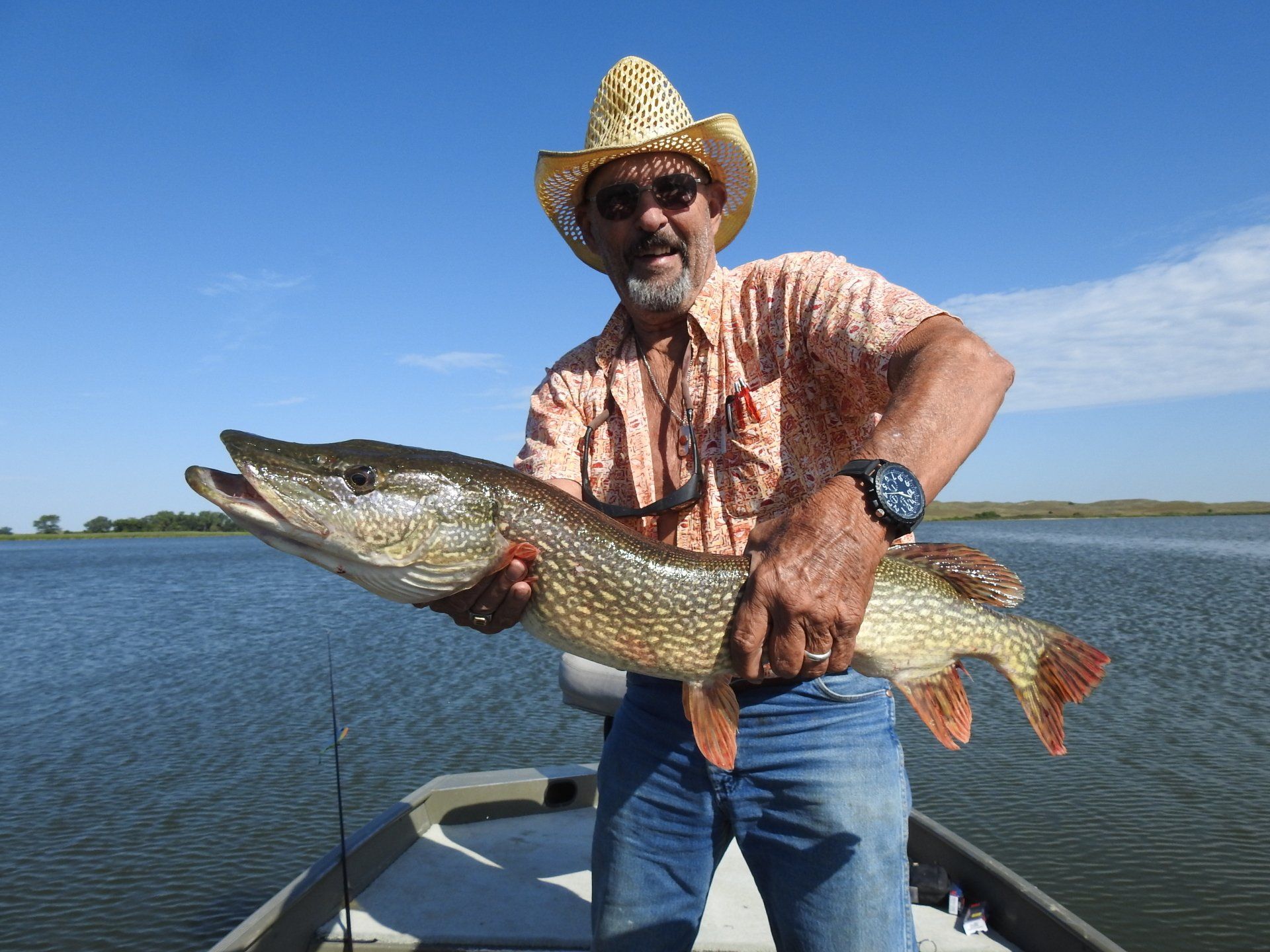
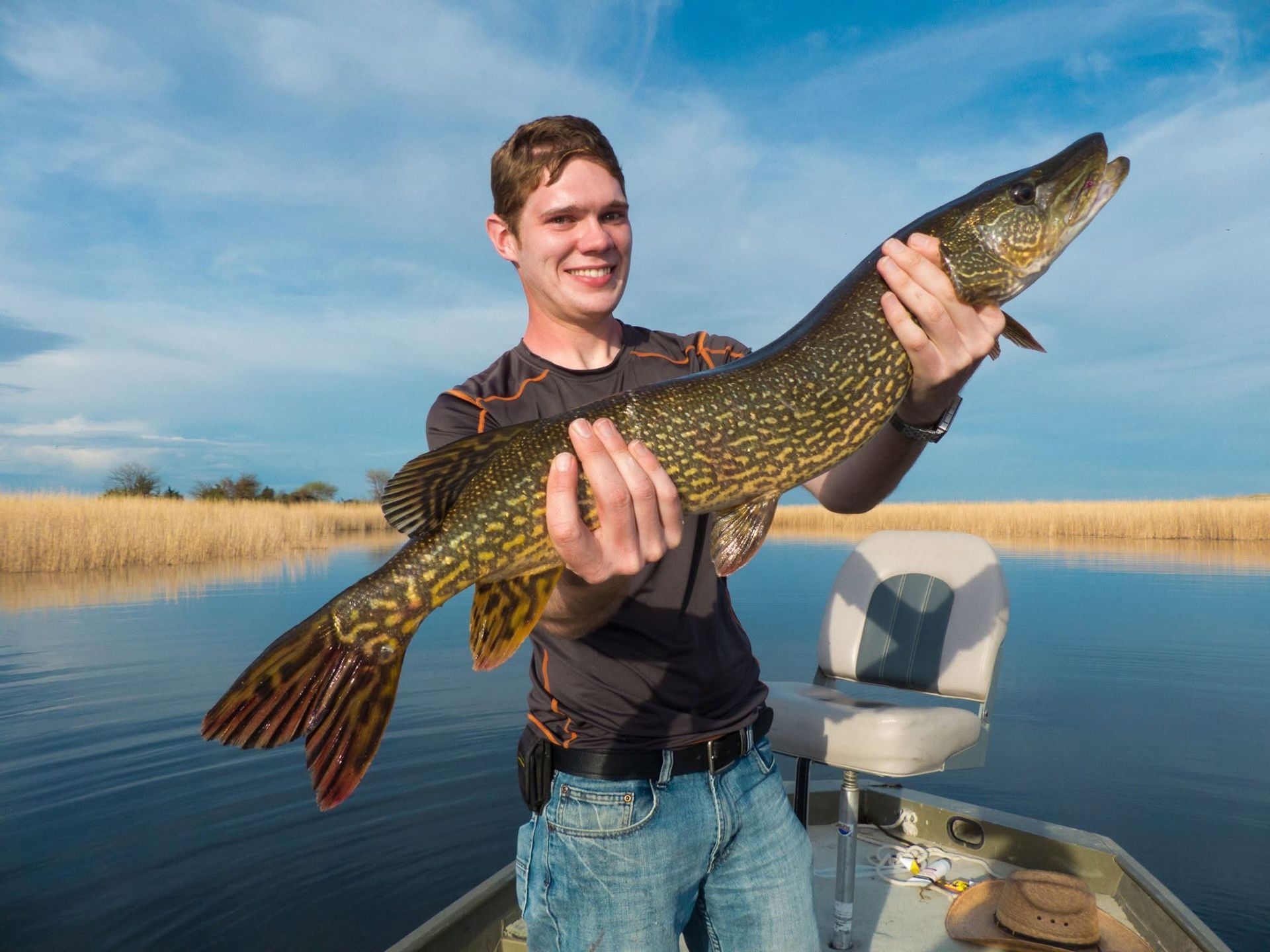
The heart-quickening fight of a pike is a thrill for any angler.
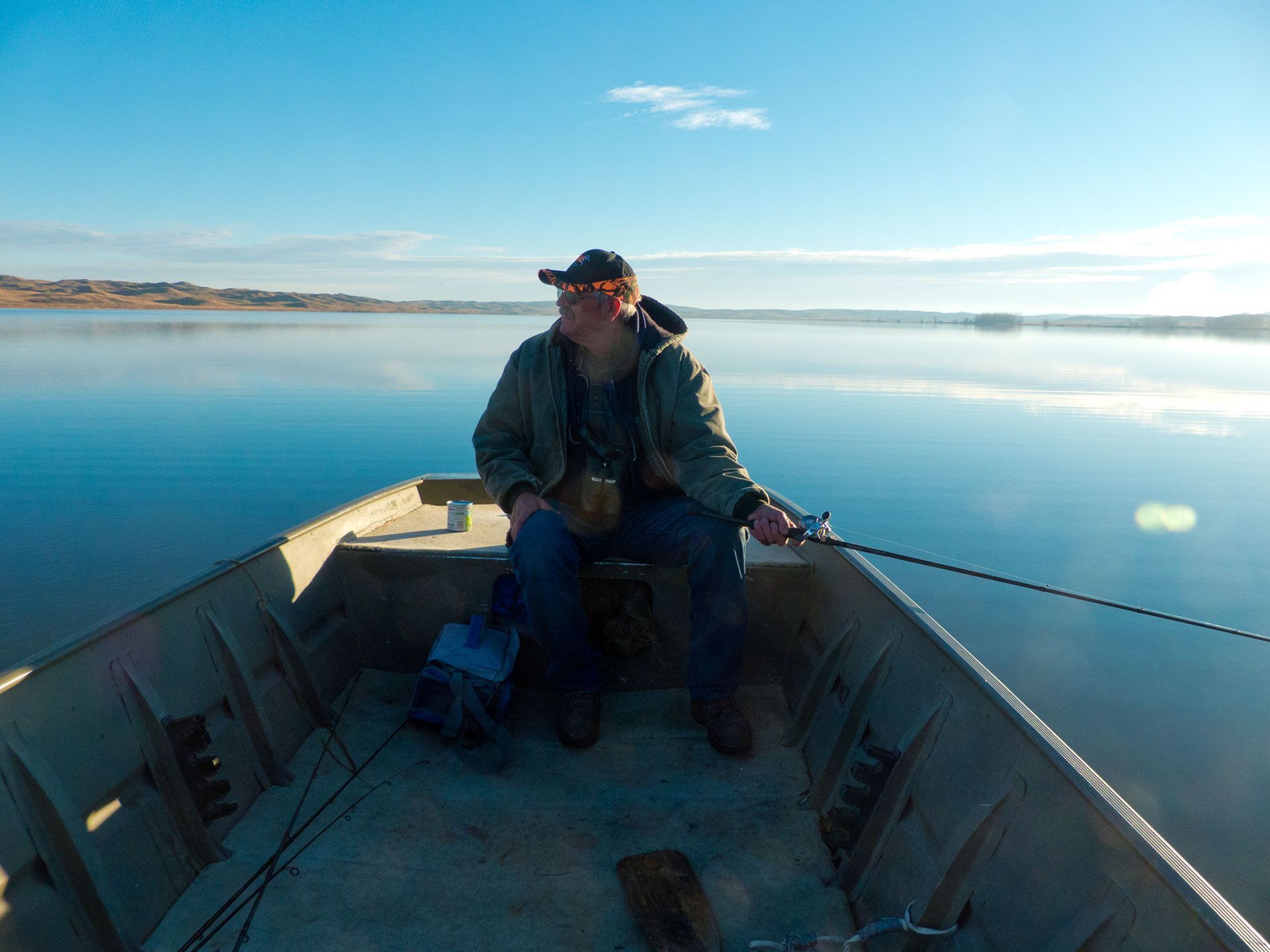
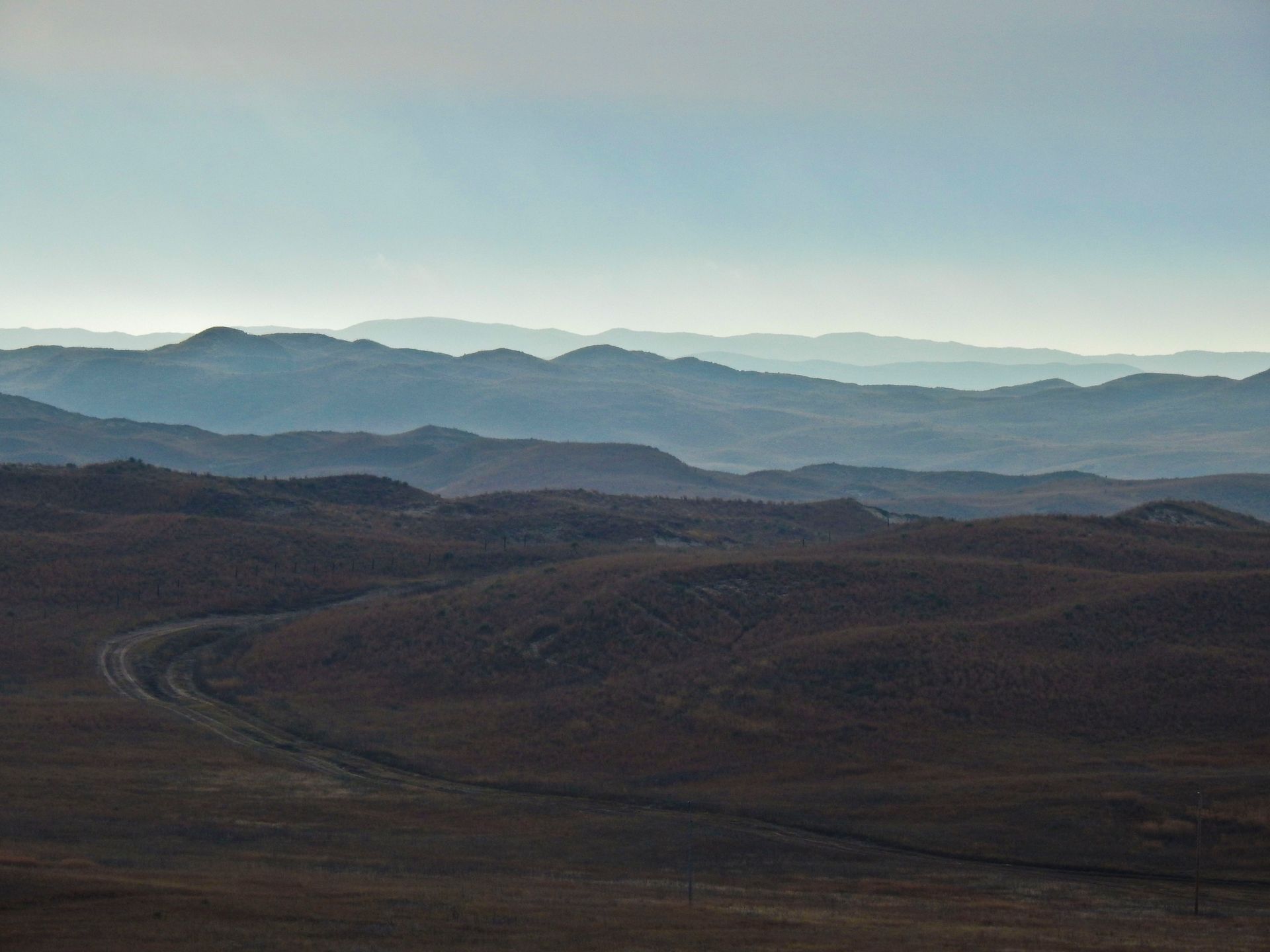
Mention the subject of fishing the Sandhills to us old-timer's and northern pike immediately come to mind. We lived through an era of exceptionally productive Sandhill fisheries. The lakes not only teemed with pike, but also sported largemouth bass, yellow perch, bluegills and occasional crappies. Abundant rain kept adding to the water levels, creating ideal habitat for fish to spawn and thrive. Life was great.
Then came the new millennium. The abundant rains ground to a halt in July of 2000, kicking off a seven-year drought that all but dried up many of the smaller natural lakes. The sad scene of bass attempting to build spawning nests in a few inches of water still haunts me. Most of the fish in the larger lakes made it through those years, but survival of the fittest created an even bigger problem. The common carp can live in just about any environment that exists. They laugh at low oxygen levels. They eat everything from snails to cottonwood fluff. An average sized carp expels about a pound of poop per week, and since they don't have stomachs, half of this waste is undigested. All this fish manure is fertilizer for phytoplankton, or algae, as we like to call it. When this algae dies off from lack of sunlight, it sucks all the oxygen from the water. Now we have large bottom-feeding "rough" fish stirring up their own muck, creating the perfect storm for a gamefish die-off. This past quarter century has been a methodical takeover of carp in our Sandhill lakes.
There are several theories on how carp are introduced into a lake. One is that shallow streams connect many lakes, allowing carp to migrate. Another migration takes place through the air by ducks and geese. This happens when these birds swim though moss laced with sticky carp eggs and then fly to another lake with the eggs stuck to their feet. This can also happen with fishing boats the same way that zebra mussels are transported. A large female carp spawns over a million eggs so it's pretty easy to see how these things can happen. Also, fishing with live minnows is outlawed in many lakes for fear of turning baby carp loose.
So now we're faced with the dilemma of how to control this carp invasion. The Nebraska Game and Parks' method of treating a lake with rotenone has worked occasionally, but has some major drawbacks. It costs around a third of a million dollars to spray a four hundred acre lake with this poison. All the sportfish die. Most of the carp die, but some always slip through the cracks to carry on their species. Worst of all, zooplankton is killed off, which is necessary to control phytoplankton. The water will turn a nasty brown color until the zooplankton recovers, which may take a decade. Unfortunately, carp are the only fish that are tough enough to survive these conditions.
Now, let's revisit the bygone northern pike. I once filleted a pike that had a large fish in its stomach, and I opened it up to discover a fourteen inch carp. "Huh," I thought. "I wonder how many carp a pike eats." Thinking about it, I realized that the lakes that contained a good number of large pike weren't overrun with carp. Maybe the pike were keeping them in check. Maybe pike serve a bigger purpose than just making our heart skip a few beats when it chases down our lure and inhales it next to the boat. Now that's what I'm talking about!